Health & Wellness
Breathing Techniques for Managing Mental Fatigue: 5 Science-Backed Methods
Feeling mentally exhausted, foggy, or unable to focus? Learn 5 proven breathing techniques that combat mental fatigue, restore cognitive clarity, and boost your mental energy in minutes. These science-backed methods work by optimizing oxygen flow to your brain, balancing your nervous system, and providing immediate relief from mental exhaustion.
Understanding Mental Fatigue: More Than Just Being Tired
Mental fatigue is a state of cognitive exhaustion that goes beyond simple tiredness. You know the feeling: you've been working on mentally demanding tasks for hours, and suddenly your brain feels like it's moving through molasses. Decision-making becomes difficult, focus wavers, creativity dries up, and even simple tasks feel overwhelming. This is mental fatigue—and it's one of the most common challenges in our information-saturated, always-on modern world.
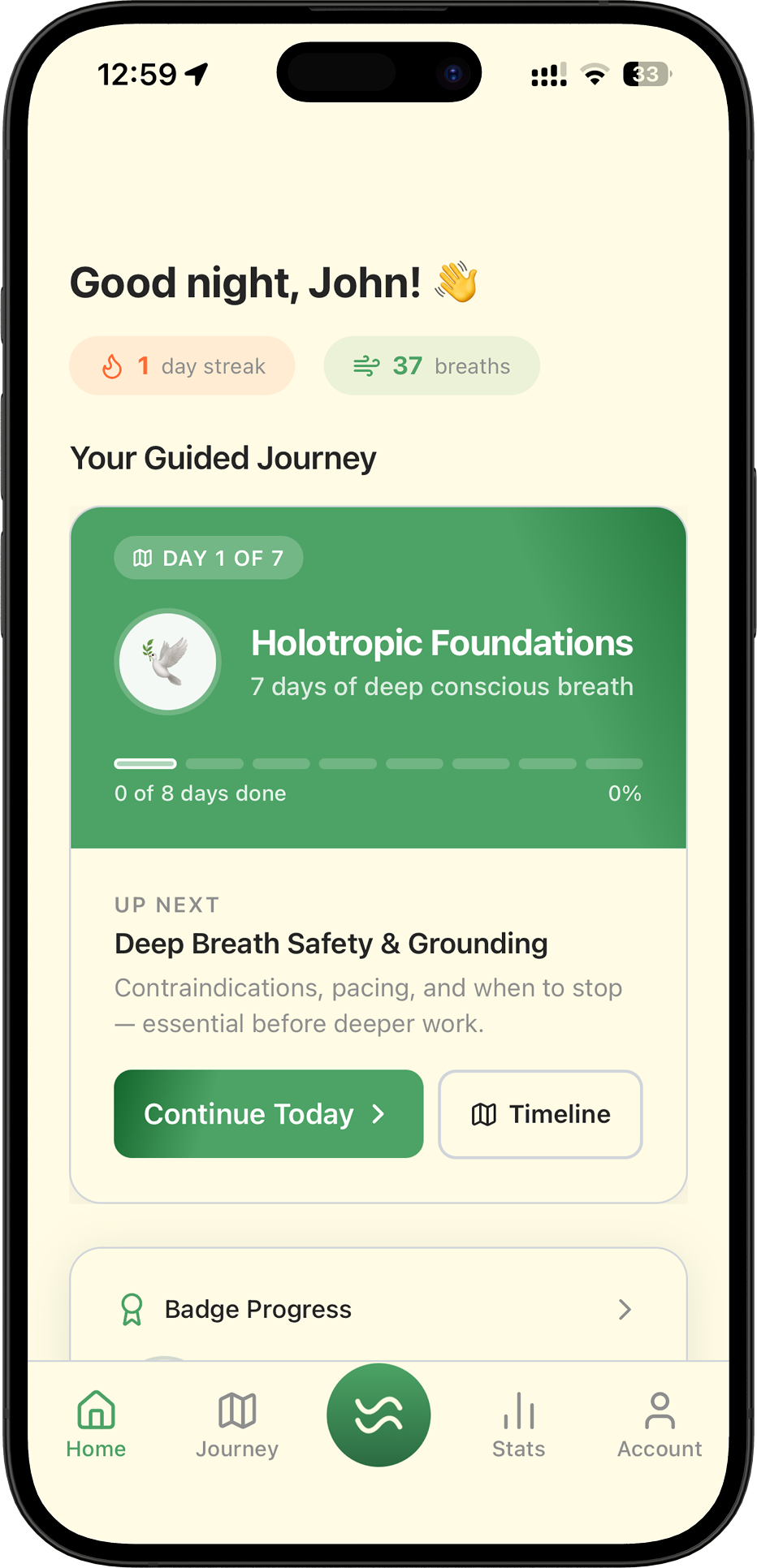
Combat mental fatigue with guided energizing breathing exercises designed to restore mental clarity
Common Signs of Mental Fatigue
- • Difficulty concentrating or maintaining focus
- • Brain fog and cloudy thinking
- • Reduced decision-making ability
- • Decreased creativity and problem-solving
- • Slower information processing
- • Irritability and mood changes
- • Forgetfulness and memory lapses
- • Mental exhaustion despite physical rest
What Causes Mental Fatigue?
- • Prolonged periods of focused work
- • Information overload and multitasking
- • Chronic stress and anxiety
- • Poor sleep quality or sleep deprivation
- • Decision fatigue from too many choices
- • Constant digital stimulation
- • Burnout from sustained pressure
- • Insufficient mental recovery time
Key Insight:
Mental fatigue is fundamentally about oxygen and energy management in the brain. Your brain uses 20% of your body's oxygen despite being only 2% of your body weight. When you're mentally fatigued, your brain isn't getting the oxygen and energy it needs to function optimally. Breathing exercises directly address this by increasing oxygen flow, balancing brain chemistry, and activating energy-boosting mechanisms in your nervous system.
The Science: How Breathing Exercises Combat Mental Fatigue
Breathing exercises are uniquely effective for mental fatigue because they directly influence the physiological systems that regulate mental energy, cognitive performance, and brain function. Unlike caffeine or stimulants that provide temporary boosts followed by crashes, breathing exercises work with your body's natural mechanisms to restore sustainable mental energy.
Increases Oxygen Flow to the Brain
Energizing breathing techniques like Breath of Fire and Bellows Breath rapidly increase oxygen delivery to the brain, improving cognitive function, alertness, and mental clarity. Research shows that just 2 minutes of energizing breathwork can increase cerebral oxygenation by up to 15%, providing immediate relief from mental fog.
Activates the Sympathetic Nervous System
Energizing breathwork activates the sympathetic nervous system—your body's "alertness" response. This increases norepinephrine levels (a neurotransmitter that enhances focus and attention), raises heart rate slightly to improve circulation, and triggers the release of energizing hormones that counteract mental fatigue.
Balances Blood Oxygen and CO2 Levels
Mental fatigue often correlates with suboptimal blood chemistry—specifically, imbalanced oxygen and carbon dioxide levels. Breathing exercises recalibrate this balance, optimizing pH levels in the brain and ensuring neurons have the exact environment they need for peak performance. This chemical optimization is measurable within minutes.
Reduces Cortisol and Stress Hormones
Chronic stress contributes to mental fatigue by flooding your system with cortisol and other stress hormones. Balancing breathing techniques like Alternate Nostril Breathing and Box Breathing reduce cortisol levels by 20-30%, allowing your brain to allocate more resources to cognitive function rather than stress management.
Research Finding:
A 2021 study published in Frontiers in Human Neuroscience found that participants who practiced energizing breathing exercises showed a 32% improvement in cognitive performance tests and a 27% reduction in self-reported mental fatigue compared to a control group. The effects were measurable within 3 minutes and lasted for up to 90 minutes after practice.
5 Proven Breathing Techniques for Mental Fatigue
These 5 breathing techniques target mental fatigue through different mechanisms—from rapid energy boosts to sustained focus and cognitive balance. Experiment with each technique to discover which works best for your specific type of mental fatigue and cognitive needs.
Breath of Fire (Kapalabhati)
Breath of Fire is one of the most powerful energizing breathing techniques for immediate mental fatigue relief. This rapid breathing technique increases oxygen flow to the brain, activates the sympathetic nervous system, and provides an instant energy boost. Used in Kundalini yoga and pranayama practices, it's highly effective for combating brain fog and mental exhaustion.
How to Practice Breath of Fire:
- Sit upright with your spine straight and shoulders relaxed
- Place your hands on your knees or in your lap
- Breathe rapidly through your nose with equal emphasis on inhale and exhale
- Use your diaphragm to pump air in and out quickly—about 2-3 breaths per second
- Keep the breaths shallow and focused in your upper abdomen
- Continue for 30-60 seconds, then return to normal breathing
Duration: 30-60 seconds per round, 2-3 rounds total. Rest for 30 seconds between rounds. This technique provides immediate alertness and mental clarity.
Best For:
- • Immediate energy boost
- • Brain fog and mental cloudiness
- • Morning alertness
- • Pre-task mental preparation
Why It Works:
Rapid breathing increases oxygen flow to the brain, activates the sympathetic nervous system for alertness, and stimulates the release of energizing neurotransmitters like norepinephrine.
Caution:
Avoid Breath of Fire if you're pregnant, have high blood pressure, heart conditions, or respiratory issues. Start slowly and stop if you feel dizzy or lightheaded.
Bellows Breath (Bhastrika)
Bellows Breath is a powerful energizing technique that involves forceful, rapid breathing similar to a blacksmith's bellows. This technique is more intense than Breath of Fire and provides even stronger mental stimulation, making it excellent for severe mental fatigue or when you need maximum cognitive performance.
How to Practice Bellows Breath:
- Sit upright with your spine straight
- Take a deep breath in through your nose, filling your lungs completely
- Forcefully exhale through your nose, engaging your abdominal muscles
- Immediately take another forceful inhale, creating a rapid, rhythmic pattern
- Continue this forceful breathing for 10-20 breaths (about 15-30 seconds)
- After the last exhale, take a deep inhale, hold for 5-10 seconds, then exhale slowly
Duration: 10-20 breaths per round, 2-3 rounds total. Rest for 30-60 seconds between rounds. This technique is more intense than Breath of Fire.
Best For:
- • Severe mental fatigue
- • Maximum cognitive performance
- • Pre-presentation alertness
- • Afternoon energy crashes
Why It Works:
Forceful breathing creates rapid oxygen exchange, strongly activates the sympathetic nervous system, and generates heat and energy in the body—all contributing to mental alertness.
Caution:
Same precautions as Breath of Fire apply. This is a more intense technique—start with fewer breaths and gradually increase. Stop if you experience dizziness, tingling, or discomfort.
Alternate Nostril Breathing (Nadi Shodhana)
Alternate Nostril Breathing is a balancing technique that harmonizes the left and right hemispheres of the brain, promoting mental clarity, focus, and sustained cognitive energy. Unlike energizing techniques that provide quick bursts, this technique creates balanced, sustained mental performance—perfect for long work sessions.
How to Practice Alternate Nostril Breathing:
- Sit comfortably with your spine straight
- Use your right thumb to close your right nostril
- Inhale slowly through your left nostril for 4-5 seconds
- Close your left nostril with your right ring finger and release your right nostril
- Exhale through your right nostril for 4-5 seconds
- Inhale through your right nostril for 4-5 seconds
- Switch: close your right nostril and exhale through your left nostril
- This completes one full cycle
Duration: 5-10 cycles (3-5 minutes). This technique is excellent for sustained mental clarity and focus throughout the day.
Best For:
- • Balanced mental energy
- • Sustained focus and concentration
- • Creative thinking and problem-solving
- • Reducing mental chatter
Why It Works:
Balances left and right brain hemispheres, optimizes oxygen delivery, promotes mental coherence, and creates a focused, calm-alert state ideal for cognitive work.
Box Breathing for Mental Clarity
Box Breathing (4-4-4-4) is known for reducing anxiety, but it's also highly effective for mental fatigue when your exhaustion comes from stress, overwhelm, or racing thoughts. This technique calms the mental noise that drains cognitive energy, allowing you to refocus with clarity.
How to Practice Box Breathing:
- Sit comfortably with good posture
- Inhale slowly through your nose for 4 seconds
- Hold your breath gently for 4 seconds
- Exhale slowly through your nose for 4 seconds
- Hold at the bottom for 4 seconds
- Repeat for 4-8 cycles
Duration: 4-8 cycles (2-5 minutes). Perfect for regaining focus and mental clarity when feeling overwhelmed or scattered.
Best For:
- • Mental fatigue from stress
- • Racing thoughts and overwhelm
- • Regaining focus
- • Decision-making clarity
Why It Works:
Creates a predictable rhythm that calms mental noise, increases carbon dioxide tolerance (improving oxygen utilization), and balances the nervous system for focused alertness.
Energizing 2:1 Breathing (Short Exhale Ratio)
Energizing 2:1 Breathing reverses the typical relaxation breathing pattern (long exhale) by using a longer inhale than exhale. This 2:1 ratio (e.g., 6-second inhale, 3-second exhale) activates the sympathetic nervous system, providing sustained mental energy without the intensity of rapid breathing techniques.
How to Practice Energizing 2:1 Breathing:
- Sit or stand with good posture
- Inhale through your nose for 6 seconds, filling your lungs completely
- Exhale through your nose for 3 seconds, releasing about half the air
- Immediately begin your next 6-second inhale
- Continue this 6:3 rhythm for 2-3 minutes
- Return to normal breathing and notice increased alertness
Duration: 2-3 minutes per session. This technique provides gentle, sustained energy without overstimulation.
Best For:
- • Gentle energy boost
- • Sustained mental performance
- • Those sensitive to intense techniques
- • Maintaining alertness during long tasks
Why It Works:
The longer inhale increases oxygen intake and gently activates the sympathetic nervous system, while the shorter exhale maintains higher oxygen levels for sustained cognitive energy.
When to Use Each Breathing Technique
Different types of mental fatigue require different breathing approaches. Here's a guide to help you choose the right technique for your specific situation:
For Immediate Energy Boost
- • Breath of Fire - Quick mental fog relief, morning alertness
- • Bellows Breath - Severe fatigue, pre-important tasks
- • Energizing 2:1 Breathing - Gentle sustained energy
Best times: Morning, mid-afternoon slump, before presentations or meetings
For Sustained Focus & Clarity
- • Alternate Nostril Breathing - Long work sessions, creative work
- • Box Breathing - When stressed and mentally fatigued
- • Energizing 2:1 Breathing - Maintaining energy through long tasks
Best times: Before starting deep work, during long focus sessions, when transitioning between tasks
For Stress-Related Mental Fatigue
- • Box Breathing - Overwhelm and racing thoughts
- • Alternate Nostril Breathing - Mental balance and calm focus
- • Follow with Energizing 2:1 for renewed energy
Best times: During high-stress periods, after difficult conversations, when feeling mentally scattered
For Creative & Problem-Solving Work
- • Alternate Nostril Breathing - Balances brain hemispheres
- • Box Breathing - Clears mental clutter
- • Breath of Fire - Jumpstarts creative thinking
Best times: Before brainstorming, when stuck on problems, during creative blocks
Building Your Mental Energy Routine
Consistency is key for managing mental fatigue. Here's a practical daily routine that combines these breathing techniques for optimal mental energy throughout the day:
🌅Morning Routine (6am-9am)
- • Upon waking: 2-3 rounds of Breath of Fire (1 minute each) to activate alertness
- • After shower/coffee: 5 minutes of Alternate Nostril Breathing to balance energy
- • Before starting work: 3 minutes of Box Breathing to set mental clarity
☀️Mid-Morning Boost (10am-11am)
- • When energy dips: 1-2 rounds of Energizing 2:1 Breathing (2-3 minutes)
- • Before important meetings: 2 rounds of Bellows Breath for peak performance
🌤️Afternoon Slump Prevention (2pm-3pm)
- • At 2pm (before the slump): 2 rounds of Breath of Fire or Bellows Breath
- • If already fatigued: 3-5 minutes of Alternate Nostril Breathing followed by 2 minutes of Energizing 2:1 Breathing
🌆Late Afternoon Clarity (4pm-5pm)
- • For final push: 1 round of Breath of Fire + 3 minutes of Box Breathing
- • For sustained focus: 5 minutes of Alternate Nostril Breathing
Pro Tip:
Set recurring phone reminders at 10am, 2pm, and 4pm to practice breathing exercises. These are the times when most people experience natural energy dips. Proactive practice prevents mental fatigue before it becomes severe. Using an app like Breathworkk with guided sessions makes it easy to follow along without thinking.
Tips for Effective Practice & Safety Considerations
Best Practices for Mental Energy
- • Start slow: Begin with gentler techniques (Alternate Nostril, Energizing 2:1) before intense ones
- • Practice sitting upright: Good posture enhances oxygen flow and alertness
- • Combine with movement: Brief stretching or walking amplifies the energizing effects
- • Stay hydrated: Dehydration worsens mental fatigue—drink water before breathwork
- • Use visual guides: Apps with visual breathing cues help maintain proper pace
- • Don't skip breakfast: Breathing exercises work better when you have adequate glucose
What to Avoid
- • Don't practice while driving: Energizing techniques can cause dizziness
- • Avoid on empty stomach: Intense breathwork may cause lightheadedness without food
- • Don't overdo it: More isn't always better—2-3 sessions daily is optimal
- • Don't force breathing: Intensity should feel energizing, not strained
- • Avoid late evening: Energizing techniques too close to bedtime may disrupt sleep
Important Safety Note:
While breathing exercises are highly effective for mental fatigue, they are not a replacement for adequate sleep, proper nutrition, stress management, and medical care. If you experience chronic mental fatigue, severe exhaustion, or symptoms that don't improve with rest and breathwork, consult a healthcare professional. Underlying conditions like sleep disorders, thyroid issues, depression, or chronic fatigue syndrome require medical evaluation.
Medical Precautions:
Energizing breathing techniques (Breath of Fire, Bellows Breath) should be avoided or practiced with extreme caution if you have:
- • Pregnancy
- • High blood pressure or cardiovascular disease
- • Epilepsy or seizure disorders
- • Recent surgery or injuries
- • Respiratory conditions (asthma, COPD)
- • Panic disorder or severe anxiety
Consult your healthcare provider before starting any new breathwork practice if you have medical conditions.

Combat Mental Fatigue with Guided Breathwork
Breathworkk provides energizing breathing exercises with beautiful visual guides, step-by-step instructions, and specialized flows designed to restore mental clarity, boost cognitive energy, and eliminate brain fog.
Energizing Flows
Access guided sessions featuring energizing breathing techniques designed specifically for mental fatigue, focus, and cognitive performance.
Visual Breathing Guides
Follow beautiful expanding and contracting visual cues that help you maintain the perfect pace for energizing breathwork—no counting required.

Frequently Asked Questions
What is mental fatigue and how does it affect you?
Mental fatigue, also called cognitive fatigue or brain fog, is a state of exhaustion characterized by reduced mental energy, difficulty concentrating, impaired decision-making, and decreased cognitive performance. It's caused by prolonged mental effort, stress, poor sleep, information overload, or burnout. Unlike physical tiredness, mental fatigue affects your ability to think, focus, and process information effectively.
How do breathing exercises help with mental fatigue?
Breathing exercises combat mental fatigue by increasing oxygen flow to the brain (improving cognitive function), activating the sympathetic nervous system for alertness (with energizing techniques), balancing blood oxygen and CO2 levels (optimizing brain chemistry), reducing cortisol and stress hormones (that contribute to fatigue), and improving heart rate variability (enhancing stress resilience). These physiological changes restore mental energy within minutes.
What is the best breathing technique for mental fatigue?
The Breath of Fire (Kapalabhati) and Bellows Breath (Bhastrika) are the most effective breathing techniques for immediate mental fatigue relief. These energizing techniques rapidly increase oxygen flow, activate the sympathetic nervous system, and provide an energy boost within 1-2 minutes. For sustained mental clarity, Alternate Nostril Breathing and Box Breathing are excellent for balancing energy and maintaining focus throughout the day.
How long should I practice breathing exercises for mental fatigue?
For immediate mental fatigue relief, practice energizing breathing techniques like Breath of Fire or Bellows Breath for 1-3 minutes. For sustained mental clarity and focus, practice balancing techniques like Alternate Nostril Breathing or Box Breathing for 3-5 minutes. You can repeat these sessions throughout the day as needed—many people find that 2-3 short sessions daily (morning, midday, afternoon) provide optimal mental energy.
Can breathing exercises replace sleep for mental fatigue?
No, breathing exercises cannot replace sleep. While breathing techniques provide temporary relief from mental fatigue by boosting oxygen flow and activating alertness, quality sleep is essential for long-term cognitive recovery. Breathing exercises work best as a complementary tool for managing mental fatigue throughout the day, but adequate sleep (7-9 hours) remains critical for cognitive health.
When is the best time to practice breathing exercises for mental fatigue?
Practice breathing exercises for mental fatigue whenever you notice decreased focus, brain fog, or mental exhaustion. Key times include: morning (to start the day with clarity), mid-morning or afternoon (during energy dips), before important tasks requiring focus, after mentally demanding work, and during transitions between tasks. Many people benefit from scheduled sessions at 10am, 2pm, and 4pm.
Are breathing exercises safe for everyone experiencing mental fatigue?
Most breathing exercises are safe for healthy adults, but energizing techniques like Breath of Fire and Bellows Breath should be practiced with caution. Avoid these techniques if you're pregnant, have high blood pressure, heart conditions, epilepsy, or respiratory issues. Always start slowly and stop if you feel dizzy, lightheaded, or uncomfortable. Consult a healthcare professional if you have medical concerns or experience chronic mental fatigue.
Can breathing exercises help with burnout-related mental fatigue?
Yes, breathing exercises can help manage burnout-related mental fatigue as part of a comprehensive recovery plan. Use balancing techniques like Alternate Nostril Breathing and Box Breathing to reduce stress hormones and restore mental balance, followed by gentle energizing techniques like Energizing 2:1 Breathing for sustainable energy. However, addressing burnout requires broader lifestyle changes, rest, and potentially professional support.
How quickly do breathing exercises work for mental fatigue?
Energizing breathing techniques like Breath of Fire and Bellows Breath provide noticeable mental clarity and energy within 1-3 minutes. Balancing techniques like Alternate Nostril Breathing and Box Breathing take 3-5 minutes to create sustained focus and mental clarity. The effects typically last 30-90 minutes, depending on the technique and your overall fatigue level.
Should I practice breathing exercises before or after coffee for mental fatigue?
For best results, practice energizing breathing exercises before or alongside coffee. Breathwork increases oxygen flow and activates natural alertness mechanisms, which complement caffeine's effects without the jitters or crash. Some people find they need less coffee when they regularly practice energizing breathwork. Avoid intense techniques on an empty stomach—have a light breakfast first.
Explore More Breathwork & Productivity Resources
Breathwork for Focus
Learn breathing techniques that enhance concentration and mental clarity.
Coherent Breathing for Burnout
Discover how coherent breathing helps manage burnout and restore energy.
Breathwork for High-Pressure Decisions
Learn techniques for mental clarity during critical decision-making.
Morning Breathwork Routines
Start your day with energizing breathwork practices for peak performance.
Box Breathing vs Diaphragmatic Breathing
Compare different breathing techniques and when to use each.
Breathwork for Anxiety
Learn proven breathing exercises for anxiety relief and stress management.
Science of Breathwork
Understand the research behind breathwork benefits for cognitive performance.
Breathwork for Business Professionals
Optimize mental performance with breathwork designed for professionals.