Student Guide
Breathing App for Students & Exam Stress
Manage academic stress, improve focus, and perform better on exams with science-backed breathing techniques designed for students.
Why breathing exercises help students
Academic stress affects millions of students—from test anxiety to study burnout. Breathing exercises activate your parasympathetic nervous system, reducing stress hormones, lowering heart rate, and calming your mind. This translates to better focus during exams, improved memory recall, and reduced physical symptoms of anxiety.
Reduces exam anxiety
Lower stress hormones and heart rate before and during tests.
Improves focus
Better concentration during study sessions and exams.
Enhances memory
Calm nervous system improves access to studied information.
Better sleep
Pre-exam insomnia relief for more restful nights.
Essential breathing techniques for students
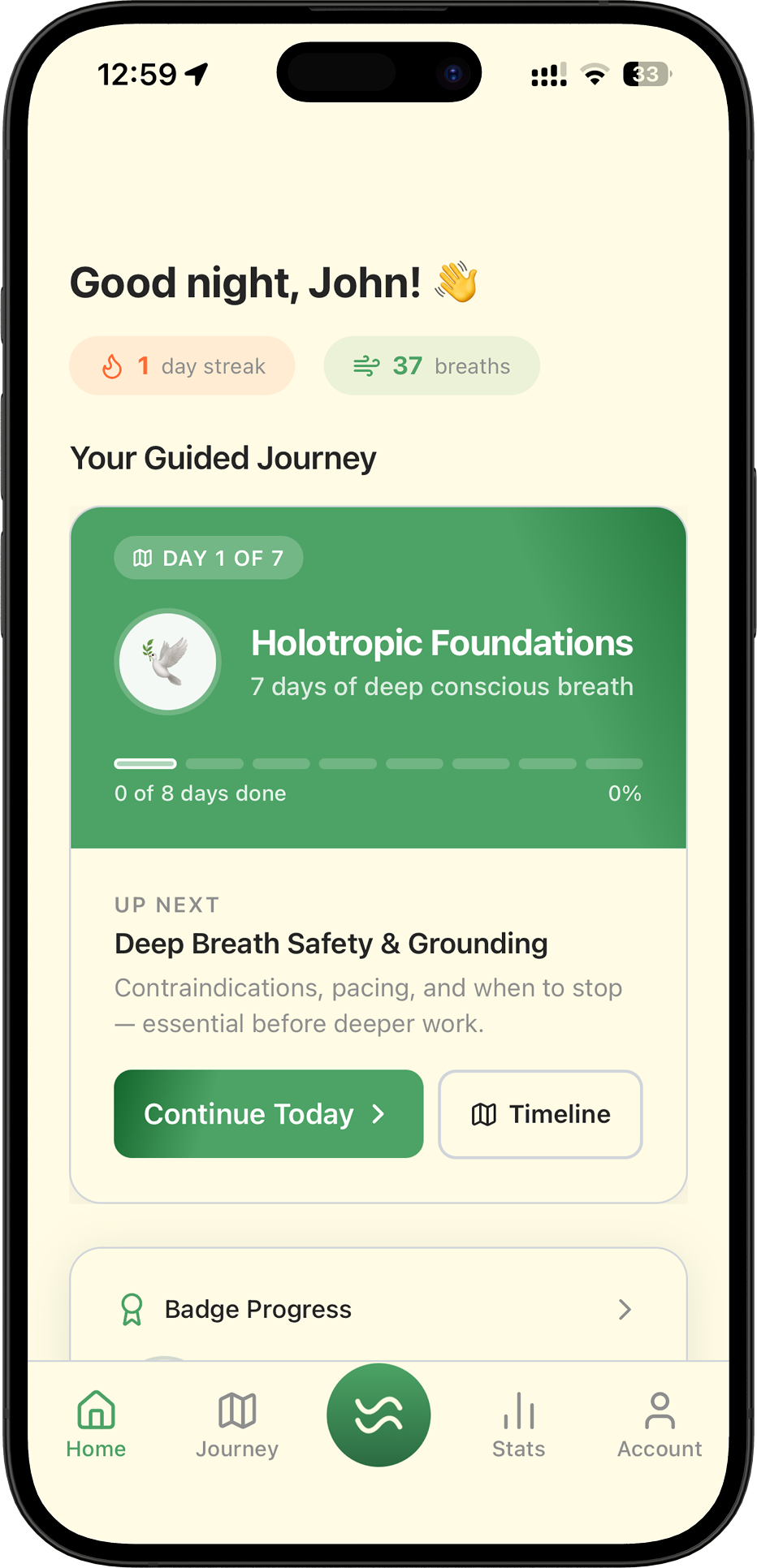
Practice these techniques with guided visual cues
- Physiological Sigh (60 seconds): Two quick inhales through the nose, then one long exhale through the mouth. Repeat 3-5 times. Works fastest for acute exam anxiety—calming effects in under 60 seconds.
- Box Breathing (4-4-4-4): Inhale 4s, hold 4s, exhale 4s, hold 4s. Excellent for steadying nerves before tests and maintaining focus during exams. Can be done discreetly at your desk.
- Coherent Breathing: Breathe at 5-6 breaths per minute (slow, smooth inhales and longer exhales). Ideal for study sessions to maintain sustained focus and reduce mental fatigue.
- 4-7-8 Breathing: Inhale 4s, hold 7s, exhale 8s. Perfect for the night before exams to improve sleep quality and reduce pre-exam insomnia.
When to use breathing exercises: exam strategies
Before entering the exam room
Do 5 physiological sigh cycles while waiting outside. This preemptively calms your nervous system so you enter in a state of focused calm rather than reactive anxiety.
At your desk before the test starts
Once seated, do 2-3 box breathing cycles. Close your eyes or look down at your desk. This final calming moment sets the tone for your entire exam.
When you hit a mental block
Can't remember something you studied? Stop, put your pen down, and do 2 physiological sigh cycles. After calming your nervous system, the information often resurfaces naturally.
During panic or overwhelm
Heart racing? Hands shaking? Immediately do 3-5 physiological sigh cycles. Don't try to power through panic—take 60 seconds to reset your nervous system.
The night before exams
Lying in bed, worried about tomorrow's test? Do 10 slow physiological sigh cycles. This activates your parasympathetic system and promotes sleep. Remember: sleep is more valuable than last-minute cramming.
Building breathing into your study routine
Study breaks (every 30-45 min)
3-5 Coherent Breathing cycles
Prevents cumulative stress buildup and keeps your nervous system regulated. Prevention is easier than crisis management.
Before study sessions
2-3 minutes of Box Breathing
Sets a calm, focused baseline for your study session. Helps transition from distractions to deep work.
When feeling overwhelmed
Physiological Sigh (3-5 cycles)
Use anytime stress spikes during studying. Works in under 60 seconds to restore calm and clarity.
End of study day
4-7-8 Breathing (5-10 cycles)
Winds down your nervous system after intense studying, promoting better sleep and recovery.
Tips for success
Practice before you need it
Don't try these techniques for the first time during an exam. Practice 5-10 times over several days so it becomes automatic.
Use at first sign of stress
Don't wait until you're in full panic mode. Use breathing exercises at the first sign of anxiety—prevention is easier than crisis management.
Combine with study habits
Integrate breathing breaks into your study schedule. Every 30-45 minutes, take 2 minutes to breathe and reset.
Be discreet during exams
Keep breathing quiet and subtle. Lower your head slightly as if reading your exam paper. Most people won't notice, but you'll feel calmer.
Aim for manageable, not perfect
The goal isn't to eliminate all anxiety—some nervousness is normal. Aim for manageable anxiety rather than zero anxiety.
Trust the process
Give breathing exercises 60 seconds to work. Don't rush or expect instant results. The physiological changes take a moment to register.

Guided breathing exercises for students
Practice with visual cues, timers, and step-by-step instructions designed for exam stress and study focus

Student FAQs
How can breathing exercises help students with exam stress?
Breathing exercises activate the parasympathetic nervous system, reducing stress hormones, lowering heart rate, and calming the mind. For students, this means better focus during exams, reduced test anxiety, and improved memory recall. Techniques like box breathing and the physiological sigh work in under 60 seconds.
What breathing technique is best for exam anxiety?
The physiological sigh (two inhales, one long exhale) works fastest for exam anxiety—calming effects in under 60 seconds. Box breathing (4-4-4-4) is also excellent for steadying nerves before and during tests. Both can be done discreetly at your desk.
When should students practice breathing exercises?
Students should practice breathing exercises: before entering the exam room, at their desk before the test starts, during study breaks every 30-45 minutes, when hitting mental blocks while studying, and the night before exams to improve sleep quality.
Can breathing exercises improve study focus?
Yes. Coherent breathing (5-6 breaths per minute) and box breathing improve focus by regulating the nervous system and increasing oxygen flow to the brain. Regular practice during study sessions helps maintain sustained attention and reduces mental fatigue.
Can I do breathing exercises during an exam without being noticed?
Yes. Keep your breathing quiet and subtle. Lower your head slightly as if reading your exam paper, perform 2-3 cycles, and return to your test. Most people around you won't notice, but you'll feel significantly calmer.
How long should I practice before an exam?
Practice breathing exercises 5-10 times over several days before your exam so the technique becomes automatic. During the exam, use 2-3 minute breathing breaks as needed. Don't try new techniques for the first time during a test.
Keep learning
Physiological Sigh for Exam Anxiety
Science-backed technique that calms exam anxiety in under 60 seconds.
Breathing exercises for anxiety
Comprehensive guide to managing anxiety with breathwork.
Breathwork for focus
Enhance concentration and cognitive performance for studying.
Breath work app for beginners
Start with simple routines perfect for students new to breathwork.