Breathing Techniques
Box Breathing: How Navy SEALs Use This Technique to Calm Stress & Improve Focus
Discover the powerful box breathing technique used by Navy SEALs to manage extreme stress, maintain composure under pressure, and enhance focus. Learn the science behind this 4-4-4-4 breathing method and master it with our step-by-step guide.
The Power of Box Breathing
Box breathing, also known as tactical breathing or combat breathing, is a simple yet powerful technique that has been used by Navy SEALs, elite athletes, and high-performing professionals to manage stress, maintain focus, and perform under extreme pressure. This 4-4-4-4 breathing pattern creates a predictable rhythm that calms the nervous system, reduces anxiety, and enhances mental clarity.
What makes box breathing so effective is its simplicity and accessibility. Unlike complex meditation practices, box breathing can be learned in minutes and practiced anywhere—at your desk, before a presentation, during a stressful moment, or as part of your daily routine. The technique works by activating the parasympathetic nervous system, which counteracts the body's stress response and promotes calm, focus, and clarity.
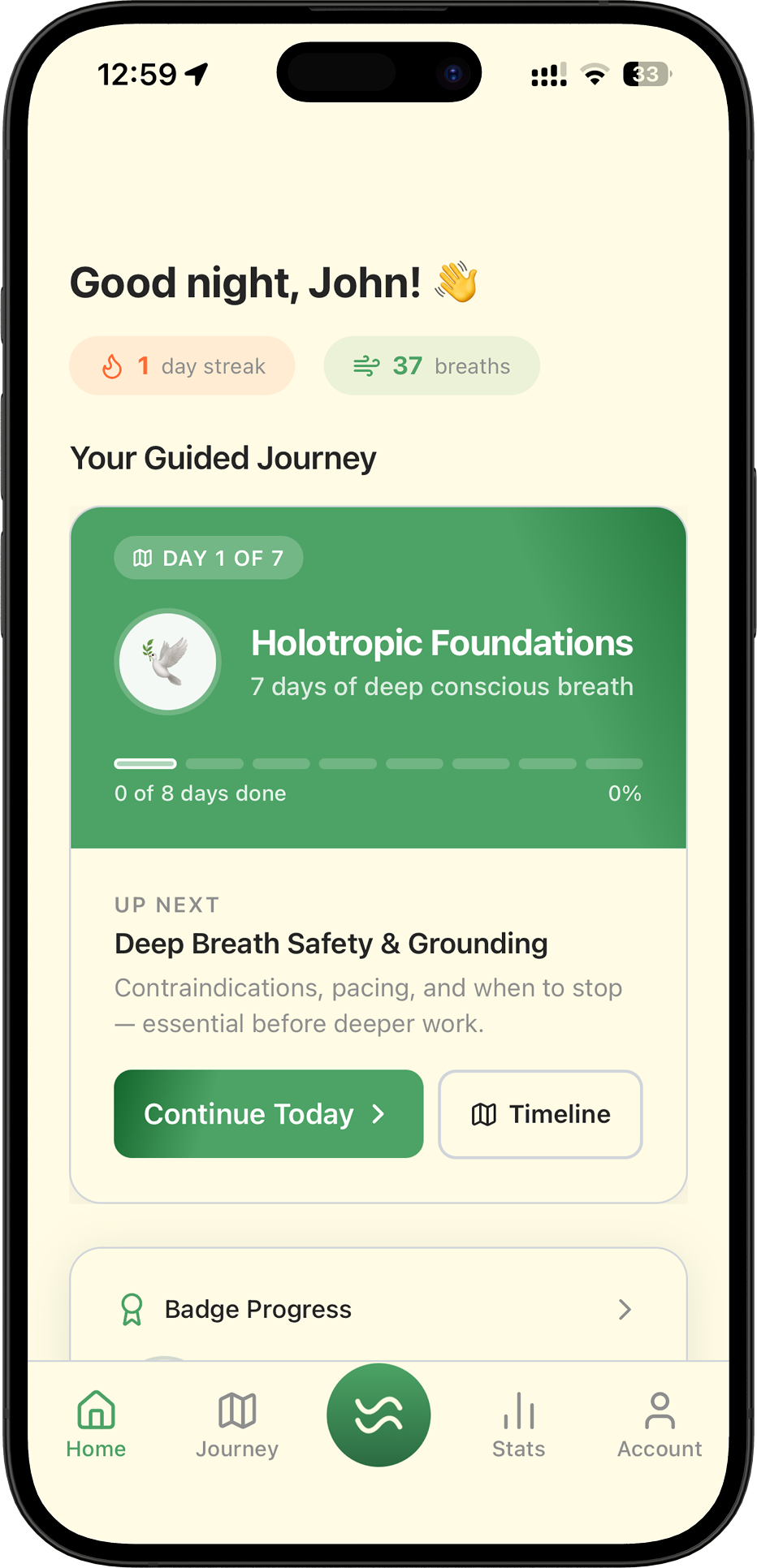
Practice box breathing with guided visual cues and step-by-step instructions
Key Insight:
Research shows that box breathing can reduce stress and anxiety by up to 40% within just 2-3 minutes of practice. The technique is so effective that it's now taught in military training, corporate wellness programs, and sports performance coaching worldwide.
What Is Box Breathing?
Box breathing is a controlled breathing technique that follows a simple 4-4-4-4 pattern:
Inhale
seconds
Hold
seconds
Exhale
seconds
Hold
seconds
This creates a "box" pattern when visualized—hence the name. The technique is also called:
- Tactical Breathing - Used by military and law enforcement
- Combat Breathing - Popular in military training
- Square Breathing - Describes the visual pattern
- Four-Square Breathing - Emphasizes the four equal parts
The beauty of box breathing lies in its simplicity. You don't need special equipment, training, or a quiet environment. You can practice it anywhere, anytime—making it an incredibly practical tool for managing stress and improving focus in real-world situations.
How to Practice Box Breathing: Step-by-Step Guide
Learning box breathing is simple, but mastering it takes practice. Follow these steps to get started:
Step-by-Step Instructions
- 1
Find a Comfortable Position
Sit or lie down in a comfortable position. Keep your back straight but relaxed. You can practice with your eyes open or closed—whatever feels more natural.
- 2
Inhale for 4 Seconds
Breathe in slowly and smoothly through your nose for 4 seconds. Fill your lungs completely, but don't force it. Focus on expanding your belly and chest naturally.
- 3
Hold for 4 Seconds
Gently hold your breath at the top for 4 seconds. Don't clamp down or strain—just pause naturally. Keep your body relaxed.
- 4
Exhale for 4 Seconds
Exhale slowly and smoothly through your nose for 4 seconds. Release all the air completely, but don't force it out. Let it flow naturally.
- 5
Hold for 4 Seconds
Pause at the bottom for 4 seconds before beginning the next cycle. This completes one full box breathing cycle.
- 6
Repeat
Continue this pattern for 4-8 cycles (2-5 minutes) for immediate stress relief. For daily practice, aim for 5-10 minutes. Focus on maintaining smooth, even breathing throughout.
Visualization Technique
Many people find it helpful to visualize a box while practicing:
- • Inhale (4s): Draw the left side of the box upward
- • Hold (4s): Draw the top of the box to the right
- • Exhale (4s): Draw the right side of the box downward
- • Hold (4s): Draw the bottom of the box to the left, completing the square
Counting Method
If visualization doesn't work for you, try counting:
- • Count "1-2-3-4" for each phase
- • Use a consistent rhythm
- • Don't rush—maintain steady pacing
- • Use a breathwork app with visual cues for guidance
Benefits of Box Breathing
Box breathing offers numerous benefits for both mental and physical well-being. Here's what research and practice show:
Stress & Anxiety Reduction
Box breathing activates the parasympathetic nervous system, reducing cortisol levels and promoting calm. Studies show it can reduce anxiety by up to 40% within minutes of practice.
Improved Focus & Concentration
By calming the mind and reducing distractions, box breathing enhances focus and concentration. It's particularly effective before important tasks, meetings, or presentations.
Better Emotional Regulation
The technique helps regulate emotions by calming the amygdala and strengthening prefrontal cortex control. This leads to better decision-making and reduced reactivity to stress.
Lower Heart Rate & Blood Pressure
Box breathing naturally lowers heart rate and blood pressure by activating the vagus nerve and parasympathetic nervous system. This promotes cardiovascular health and reduces strain on the heart.
Enhanced Performance Under Pressure
Like Navy SEALs, you can use box breathing to maintain performance under pressure. The technique helps you stay calm, think clearly, and perform at your best during stressful situations.
Improved Sleep Quality
Practicing box breathing before bed can improve sleep quality by promoting relaxation and reducing racing thoughts. The technique helps transition from an active state to a restful one.
The Science Behind Box Breathing
Box breathing works through several well-documented physiological mechanisms. Understanding the science helps you appreciate why this simple technique is so powerful:
1. Parasympathetic Nervous System Activation
The parasympathetic nervous system is responsible for the "rest and digest" response—the opposite of the fight-or-flight response. Box breathing activates this system through the vagus nerve, which runs from the brain through the body. When activated, it:
- • Lowers heart rate
- • Reduces blood pressure
- • Decreases cortisol (stress hormone) levels
- • Promotes relaxation and calm
2. Heart Rate Variability (HRV) Improvement
Heart rate variability is a measure of the variation in time between heartbeats. Higher HRV indicates better stress resilience and autonomic nervous system balance. Box breathing, with its consistent 4-4-4-4 pattern, helps synchronize breathing with heart rate, improving HRV and overall nervous system health.
3. Amygdala Calming
The amygdala is the brain's fear center, responsible for detecting threats and triggering stress responses. Research shows that controlled breathing reduces amygdala activity, decreasing fear and anxiety responses. This allows the prefrontal cortex—the brain's executive control center—to function more effectively, improving decision-making and focus.
4. Carbon Dioxide Tolerance
The breath holds in box breathing (4 seconds at the top and bottom) help increase carbon dioxide tolerance. This is beneficial because:
- • It improves oxygen delivery to tissues
- • It reduces hyperventilation tendencies
- • It promotes better breathing efficiency
- • It helps manage panic and anxiety responses
5. Brain Wave Synchronization
Research using EEG (electroencephalography) shows that controlled breathing like box breathing increases alpha brain waves, which are associated with relaxed focus and reduced anxiety. This brain wave pattern supports better cognitive function, creativity, and mental clarity.
Research Finding:
A 2017 study published in the Journal of Clinical Psychology found that participants who practiced box breathing showed significant reductions in stress, anxiety, and negative emotions, along with improvements in attention and emotional regulation. The effects were measurable within minutes and became more pronounced with regular practice.
Tips for Effective Practice & Common Mistakes
Best Practices
- • Start slow: Begin with shorter sessions (2-3 minutes) and gradually increase
- • Focus on smoothness: Prioritize smooth, even breathing over perfect timing
- • Use visual guides: Apps with visual cues help maintain proper pacing
- • Practice regularly: Consistency is more important than duration
- • Breathe through your nose: Nasal breathing is more calming than mouth breathing
- • Find your rhythm: Adjust the pace if 4 seconds feels too fast or slow
- • Practice in different situations: Use it during stress, before tasks, and as daily maintenance
Common Mistakes to Avoid
- • Forcing the breath: Don't strain or force—keep it natural and smooth
- • Holding too long: If you feel dizzy, shorten the holds or reduce the count
- • Rushing: Maintain steady pacing—don't speed up when you're stressed
- • Shallow breathing: Fill your lungs completely on the inhale
- • Inconsistent practice: Regular short sessions are better than occasional long ones
- • Expecting instant results: While effects are immediate, mastery takes practice
- • Practicing only when stressed: Use it proactively, not just reactively
Pro Tip:
If 4 seconds feels too long or too short, adjust to what feels comfortable (3-3-3-3 or 5-5-5-5). The key is maintaining equal timing for all four phases. As you practice, you can gradually work toward the 4-4-4-4 pattern if needed.

Master Box Breathing with Guided Practice
Breathworkk provides guided box breathing sessions with beautiful visual cues, step-by-step instructions, and customizable pacing to help you master this Navy SEAL technique.
Visual Breathing Guides
Follow expanding and contracting visual cues that help you maintain the perfect 4-4-4-4 rhythm, even when you're feeling stressed or distracted.
Customizable Sessions
Adjust session length, breathing pace, and practice timing to fit your needs—from quick 2-minute stress relief to longer 10-minute focus sessions.

Frequently Asked Questions
What is box breathing?
Box breathing, also known as tactical breathing or combat breathing, is a breathing technique that involves inhaling for 4 seconds, holding for 4 seconds, exhaling for 4 seconds, and holding again for 4 seconds. This creates a "box" pattern (4-4-4-4) that helps regulate the nervous system, reduce stress, and improve focus. It's widely used by Navy SEALs, athletes, and professionals to maintain composure under pressure.
How do Navy SEALs use box breathing?
Navy SEALs use box breathing (also called tactical breathing) to manage stress, control heart rate, and maintain mental clarity during high-pressure situations. They practice this technique to stay calm under extreme stress, improve decision-making, and enhance performance. The 4-4-4-4 pattern helps activate the parasympathetic nervous system, counteracting the fight-or-flight response.
How do you do box breathing?
To do box breathing: 1) Inhale slowly through your nose for 4 seconds, 2) Hold your breath gently for 4 seconds, 3) Exhale slowly through your nose for 4 seconds, 4) Hold at the bottom for 4 seconds, then repeat. Continue this 4-4-4-4 pattern for 4-8 cycles (2-5 minutes). Focus on smooth, even breathing without straining.
What are the benefits of box breathing?
Box breathing benefits include reduced stress and anxiety, improved focus and concentration, better emotional regulation, lower heart rate and blood pressure, enhanced decision-making under pressure, improved sleep quality, and increased mental clarity. The technique activates the parasympathetic nervous system, promoting calm and reducing the fight-or-flight response.
How long should you practice box breathing?
For immediate stress relief, practice box breathing for 2-5 minutes (4-8 cycles). For long-term benefits, practice 5-10 minutes daily. Navy SEALs often use quick 1-2 minute sessions during high-stress moments. Consistency is more important than duration—regular short sessions are more effective than occasional long ones.
Can box breathing help with focus?
Yes, box breathing is excellent for improving focus and concentration. The technique helps calm the mind, reduce distractions, and enhance mental clarity. By regulating the nervous system and reducing stress, box breathing creates optimal conditions for sustained attention and better cognitive performance. Many professionals use it before important meetings or tasks. Learn more: breathwork for focus.
Is box breathing the same as tactical breathing?
Yes, box breathing is also known as tactical breathing or combat breathing. These terms refer to the same 4-4-4-4 breathing technique used by military personnel, first responders, and athletes to manage stress and maintain performance under pressure. The technique has been popularized by Navy SEALs and is now widely used in various professional and personal contexts.
Can I practice box breathing anywhere?
Yes, one of the advantages of box breathing is that it can be practiced anywhere—at your desk, in a car, before a presentation, or at home. The technique is subtle enough to practice in public without drawing attention. You can practice with your eyes open or closed, making it versatile for different situations.
What if 4 seconds feels too long or too short?
If 4 seconds feels uncomfortable, adjust to what feels natural (3-3-3-3 or 5-5-5-5). The key is maintaining equal timing for all four phases. As you practice, you can gradually work toward the 4-4-4-4 pattern. The most important thing is smooth, controlled breathing rather than perfect timing.
Explore More Breathing Techniques & Resources
Breathwork for Focus
Discover how breathing exercises enhance concentration and cognitive performance.
Box Breathing vs Diaphragmatic Breathing
Compare box breathing with diaphragmatic breathing and learn when to use each.
Breathing Exercises for Anxiety
Learn effective breathing techniques for anxiety relief and stress management.
Breathwork for Anxiety: 7 Proven Exercises
Discover 7 proven breathing exercises you can do anywhere for anxiety relief.
4-7-8 Breathing Technique
Learn the 4-7-8 breathing method for sleep, stress relief, and relaxation.
Science of Breathwork
Explore the research-backed benefits and physiological mechanisms of breathwork.